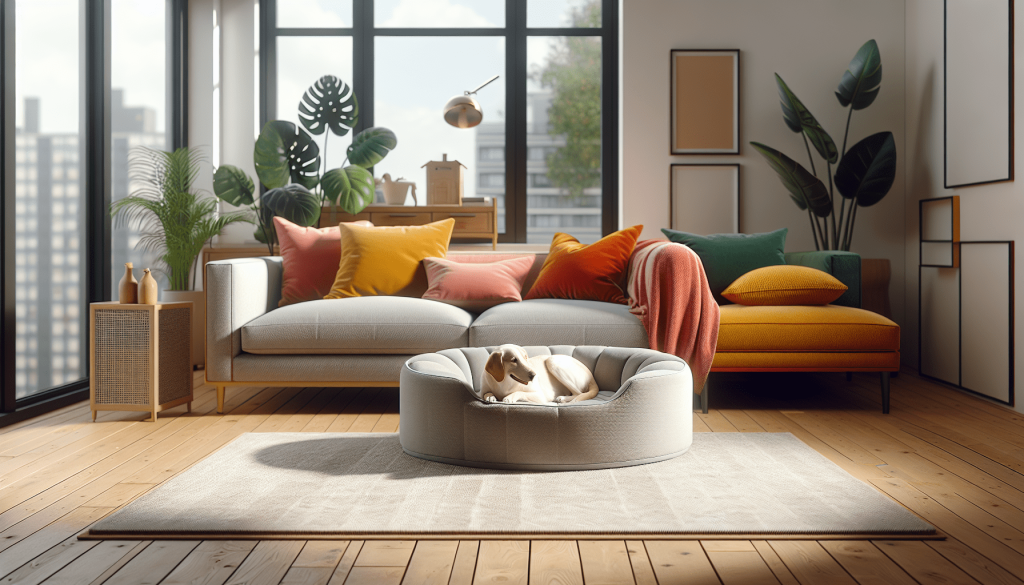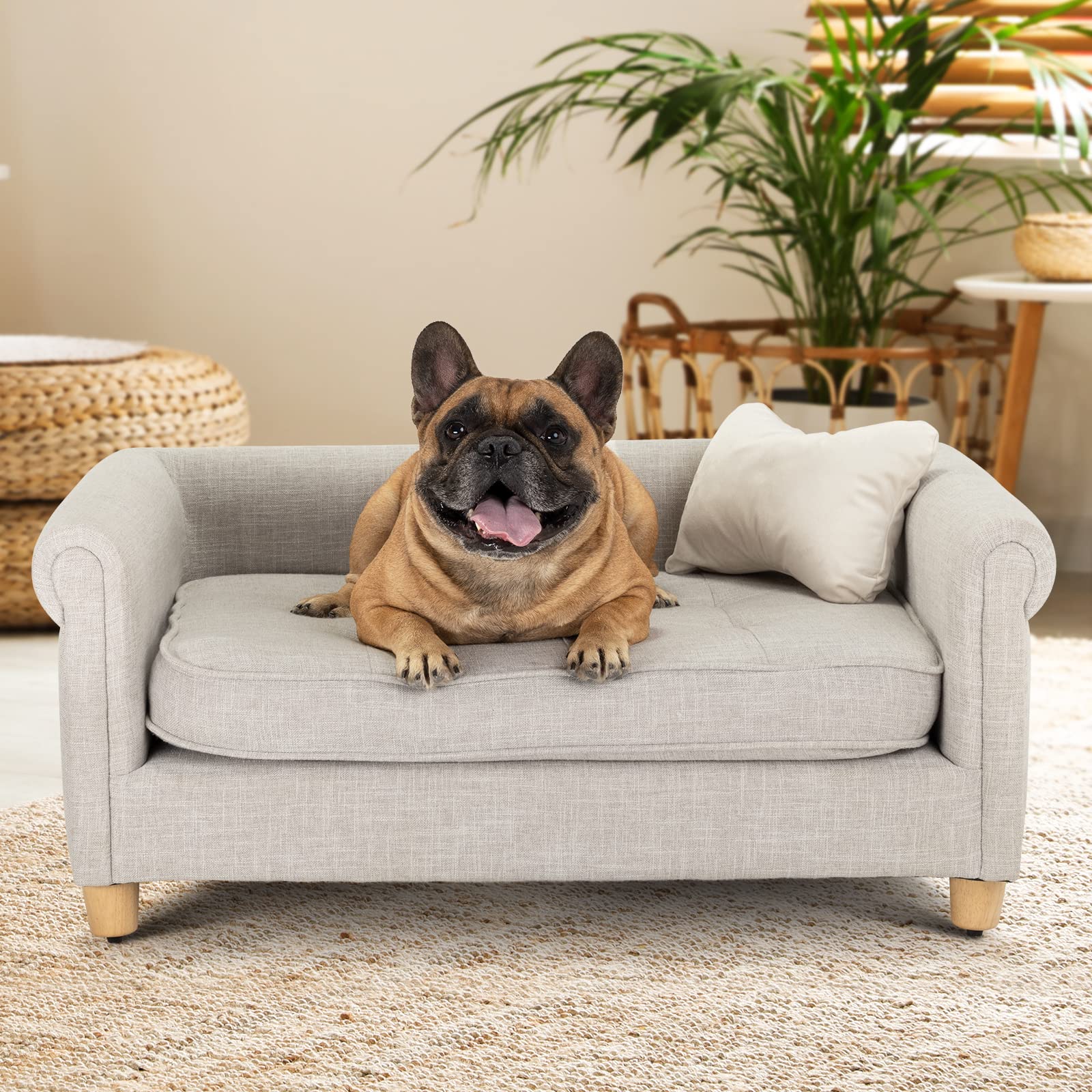
Imagine a world where you and your dog can lounge together on the couch without any worry of fur-covered furniture. Sounds dreamy, right? Well, you may be wondering if getting your furry friend a dog chair could be the solution to this never-ending battle. In this article, we’ll explore whether or not your dog’s affinity for snuggling up on the couch can be diverted by the allure of a cozy dog chair. So, buckle up (or should I say, sit back?) and let’s find out if this furniture upgrade could be the key to a fur-free couch.
Benefits of a Dog Chair
Provides a designated space for your dog
Having a dog chair in your home provides your furry friend with a designated spot to relax and unwind. When dogs have their own designated space, it helps establish boundaries and gives them a sense of security. Instead of constantly trying to find a comfortable spot on your couch or bed, your dog will have their own special place to call their own.
Promotes good posture and joint health
Sitting on the couch for extended periods of time can sometimes lead to poor posture and discomfort for dogs. A dog chair, on the other hand, is designed specifically with their size and comfort in mind. It offers proper support for their spine and joints, helping to promote good posture and overall joint health. This is especially beneficial for older dogs or those with joint issues.
Reduces wear and tear on your couch
By providing your dog with a designated chair, you can significantly reduce the wear and tear that your couch may experience. Dogs can be quite active, and their claws and movements can inadvertently damage furniture. With a dog chair, your furry friend will have their own place to relax and rest without causing any damage to your beloved couch.
Training and Reinforcement
Teach your dog the command to sit on the chair
Training your dog to sit on their chair is an important step in getting them accustomed to using it. Start by introducing the chair to them and verbally command them to sit on it. Use treats or toys to entice them onto the chair and praise them when they follow the command. Consistency is key during this training process.
Reward and reinforce desired behavior
Once your dog starts sitting on the chair, reward them with treats, praise, or playtime. Positive reinforcement helps to reinforce the behavior you want to see from your dog. This will create a positive association between the dog chair and a treat or reward, encouraging them to continue using it.
Consistency and repetition
Consistency is crucial when training your dog to use a dog chair. Repeat the training process regularly until sitting on the chair becomes a natural behavior for them. Consistent and repetitive training will help your dog understand that the chair is their designated spot and not the couch.
Comfort and Appeal
Choose a chair with comfortable padding
When selecting a dog chair, pay attention to the quality and thickness of the padding. Dogs, just like humans, appreciate a comfortable place to rest. Look for chairs specifically designed for dogs with supportive and cushioned padding to ensure they are comfortable while using it.
Consider the size and breed of your dog
Different breeds and sizes of dogs require different types of chairs. A small dog may prefer a cozy, enclosed chair, while a larger dog may feel more comfortable in a spacious chair with ample room to stretch out. Consider your dog’s size and breed when choosing the right dog chair for them.
Make the chair appealing with toys or treats
To make the dog chair more appealing and enticing for your furry friend, sprinkle some of their favorite toys or treats on it. This will grab their attention and make the chair a more attractive spot for them to relax and unwind. By associating positive experiences and rewards with the dog chair, you increase the likelihood of them using it regularly.
Transitioning your Dog
Gradually introduce the dog chair
Introducing the dog chair gradually is important to ensure your dog feels comfortable and familiar with it. Start by placing the chair in a common area where your dog spends a lot of time. Allow them to approach it at their own pace and explore the chair without any pressure. Slowly encourage them to sit on the chair by using treats or toys as incentives.
Use positive reinforcement
As your dog shows interest in the dog chair and starts to sit on it, remember to always provide positive reinforcement. Praise them, give them treats, and show excitement when they choose to use the chair. This positive association will not only make the transition easier for them but also encourage them to continue using the chair.
Redirect your dog’s attention from the couch
If your dog has a habit of sitting on the couch, it’s important to redirect their attention to the dog chair instead. Whenever you notice them trying to climb onto the couch, gently guide them towards their chair and encourage them to sit on it instead. With consistency and redirection, your dog will learn to associate the dog chair as their preferred resting spot.

Addressing Separation Anxiety
Use the dog chair as a comforting space
For dogs with separation anxiety, the dog chair can serve as a comforting space when you’re away. Place familiar blankets or bedding on the chair that carry your scent. This can provide a sense of security and reassurance for your dog, helping to alleviate their anxiety while you’re not home.
Provide familiar scents and belongings
Along with your scent, make sure to leave some of your dog’s favorite toys or belongings near the dog chair. Having familiar items nearby can help your dog feel more at ease and minimize their anxiety. The combination of familiar scents and belongings creates an environment that is both comforting and calming for your dog.
Seek professional help if necessary
If your dog’s separation anxiety persists even with the introduction of a dog chair, it may be beneficial to seek professional help from a dog behaviorist or trainer. They can provide specialized guidance and techniques to address your dog’s separation anxiety and help them feel more comfortable and secure in their home environment.
Alternatives to a Dog Chair
Use a dog bed or blanket
If a dog chair is not feasible for your space or budget, consider providing your dog with a comfortable dog bed or blanket instead. Similar to a dog chair, a dog bed provides a designated spot for your dog to rest and relax. Make sure to choose one that is the right size and provides adequate support for your dog’s needs.
Create a dog-friendly space in another room
If you prefer to keep your furniture dog-free, consider designating another room or area of your home as a dog-friendly space. Set up a cozy corner with a dog bed, toys, and water bowls. This will give your dog their own special area while still allowing them to be near you.
Train your dog to stay off the furniture altogether
If you’d rather have your dog avoid all furniture, including a dog chair, it is possible to train them to stay off altogether. This will require consistent training and reinforcement to teach them that furniture is off-limits. Use positive reinforcement techniques and redirect their attention to their designated space whenever they try to climb onto the furniture.
Understanding Your Dog’s Behavior
Dogs seek comfort and familiarity
Dogs, by their nature, seek comfort and familiarity in their surroundings. They will naturally gravitate towards spots that provide them with a sense of security and coziness. By providing a dog chair or other designated spaces, you are fulfilling this instinctual need and giving your dog a place where they feel safe and at ease.
Some dogs may prefer the couch
While a dog chair may work perfectly for some dogs, it’s important to understand that not all dogs will prefer it over the couch. Some dogs simply enjoy the softness and familiarity of the couch, and that’s okay. Every dog is unique and has their own preferences. Pay attention to your dog’s behavior and adjust accordingly to accommodate their individual needs.
Observe and adjust based on your dog’s preferences
As a responsible pet owner, it’s crucial to observe and understand your dog’s behavior and preferences. If you notice that your dog consistently avoids the dog chair and always chooses the couch, it may be a sign that they prefer the couch as their resting spot. Be flexible and willing to adjust your approach to accommodate your dog’s needs and preferences.
Managing Shedding and Cleanliness
Use removable and washable covers for the dog chair
One of the challenges of having a dog chair is managing shedding and cleanliness. To keep the dog chair as clean as possible, choose a chair with removable and washable covers. Regularly wash the covers to remove any hair or dirt that may accumulate. This will help ensure a clean and hygienic environment for your dog.
Regularly groom and brush your dog
Regular grooming and brushing of your dog are essential for managing shedding. By keeping their coat clean and well-maintained, you can minimize the amount of hair they leave behind on the dog chair and other furniture. Invest in a good quality brush suitable for your dog’s coat type and establish a brushing routine to keep shedding under control.
Vacuum and clean the couch regularly
Even with a dog chair, it’s important to keep your couch clean and free from excessive pet hair. Regularly vacuum your couch and use pet hair removal tools or lint rollers to remove any loose hair. This will help maintain a clean and hair-free couch, ensuring a comfortable and enjoyable space for both you and your dog.
Benefits of Sharing Furniture with Your Dog
Enhances the bond between you and your dog
Sharing furniture with your dog can strengthen the bond between you and your furry friend. Dogs are social animals and enjoy being close to their human companions. Allowing them on the furniture can create a sense of togetherness and reinforce the bond you share.
Provides warmth and comfort for both
Sharing furniture with your dog can also provide warmth and comfort for both of you. Curling up on the couch or bed together can be a cozy and enjoyable experience. The physical contact and shared space can release feel-good hormones for both you and your dog, promoting relaxation and happiness.
Creates a sense of belonging and inclusion
Including your dog in your furniture space creates a sense of belonging for them. Dogs are pack animals and thrive on being part of a family unit. Allowing them to share the furniture with you reinforces their place within the family and fosters a sense of inclusion and acceptance.
Conclusion
Introducing a dog chair can be a great way to deter your dog from sitting on the couch. By providing them with a designated space, promoting good posture, and reducing wear and tear on your furniture, a dog chair offers a range of benefits for both you and your furry friend. Training, reinforcement, and gradual transition are key to successfully integrating the dog chair into your dog’s routine. Understanding your dog’s behavior and preferences, as well as managing shedding and cleanliness, are important factors to consider. However, it’s essential to keep in mind that every dog is unique, and some may still prefer the couch. Ultimately, the goal is to create a comfortable and harmonious environment for both you and your dog.