If you’ve ever wondered whether your furry friend would enjoy lounging on a pet sofa, you’re not alone. As a dog owner, you want nothing but the best for your beloved pet, including a comfortable space to relax and unwind. But does your dog actually care about having their very own sofa? Let’s explore whether or not these pet-friendly pieces of furniture are a hit with our four-legged companions.
Benefits of a Pet Sofa
Comfort and Support
One of the key benefits of a pet sofa is the comfort and support it provides to your furry friend. Just like humans, pets also need a cozy and comfortable place to relax and unwind after a long day. A pet sofa is specifically designed to offer cushioning and support to your dog’s body, ensuring they are comfortable while they rest. The plush materials used in pet sofas provide a soft and luxurious surface for your pet to curl up on, ensuring they have a restful sleep.
Promotes Good Posture
Another advantage of investing in a pet sofa is that it promotes good posture for your dog. Many pet sofas are designed with orthopedic features that help distribute the weight of your dog’s body evenly, relieving pressure on their joints and muscles. This can be particularly beneficial for older dogs or those with joint issues, as it helps alleviate discomfort and reduces the risk of developing musculoskeletal problems. By providing proper support, a pet sofa encourages your dog to maintain a healthy and correct posture, which is essential for overall well-being.
Prevents Joint and Muscle Pain
A pet sofa plays a crucial role in preventing joint and muscle pain in your furry companion. Especially for older dogs who may suffer from arthritis or other degenerative conditions, a pet sofa can provide much-needed relief. The cushioning and supportive elements of a pet sofa help to minimize the impact on their joints, reducing the risk of inflammation and pain. Additionally, the elevated design of some pet sofas ensures that your dog’s weight is evenly distributed, further preventing the strain on their muscles. By investing in a pet sofa, you can contribute to your dog’s long-term joint and muscle health.
Factors to Consider Before Buying
Size of the Sofa
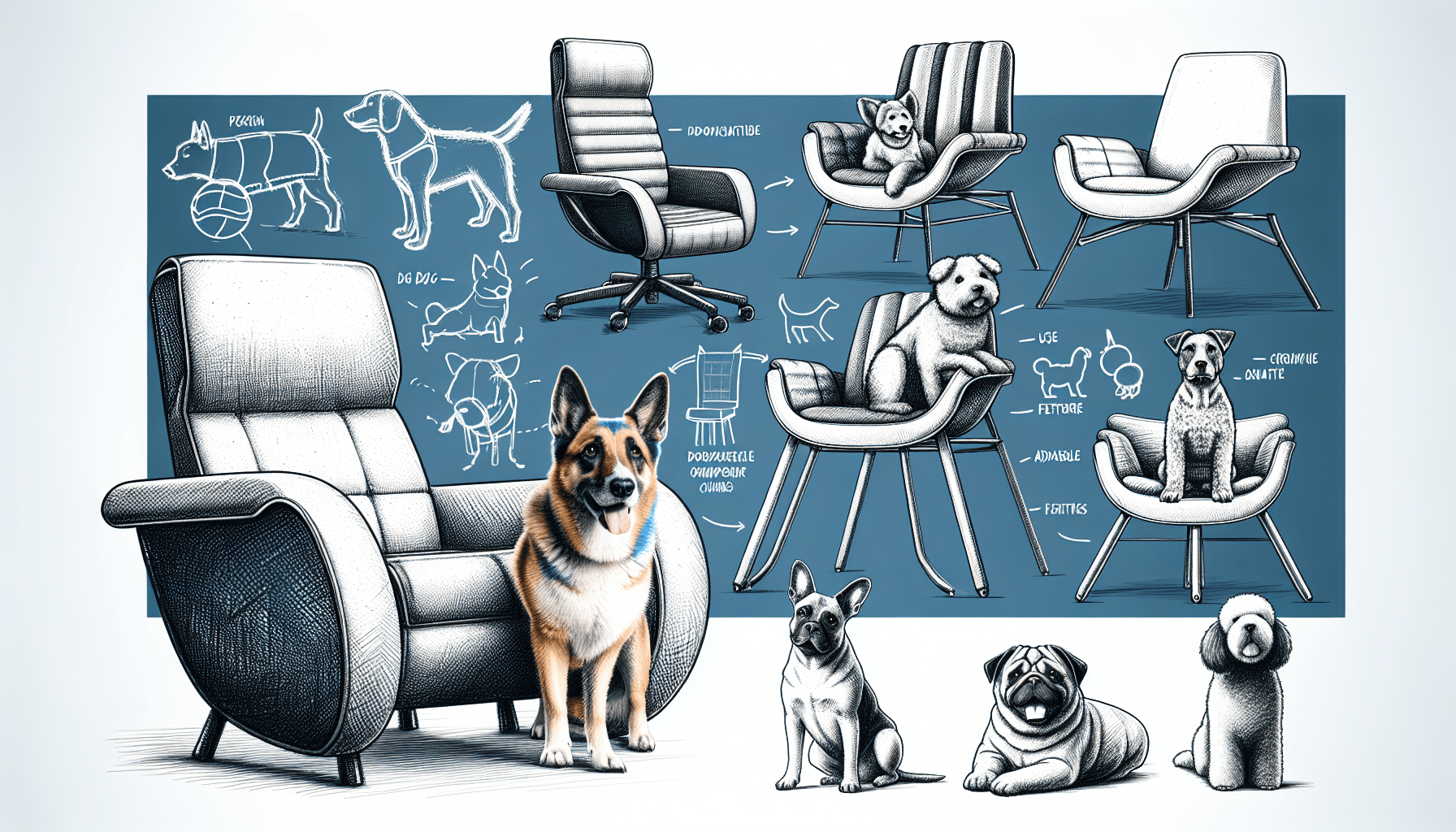
One of the most important factors to consider when purchasing a pet sofa is the size. You need to ensure that the sofa is suitable for your dog’s breed and size. Too small of a sofa can make your dog feel cramped and uncomfortable, while a sofa that is too large may not provide the necessary support. Take measurements of your dog’s sleeping position and consult the sizing guide provided by the manufacturer to determine the right size for your furry friend.
Material and Durability
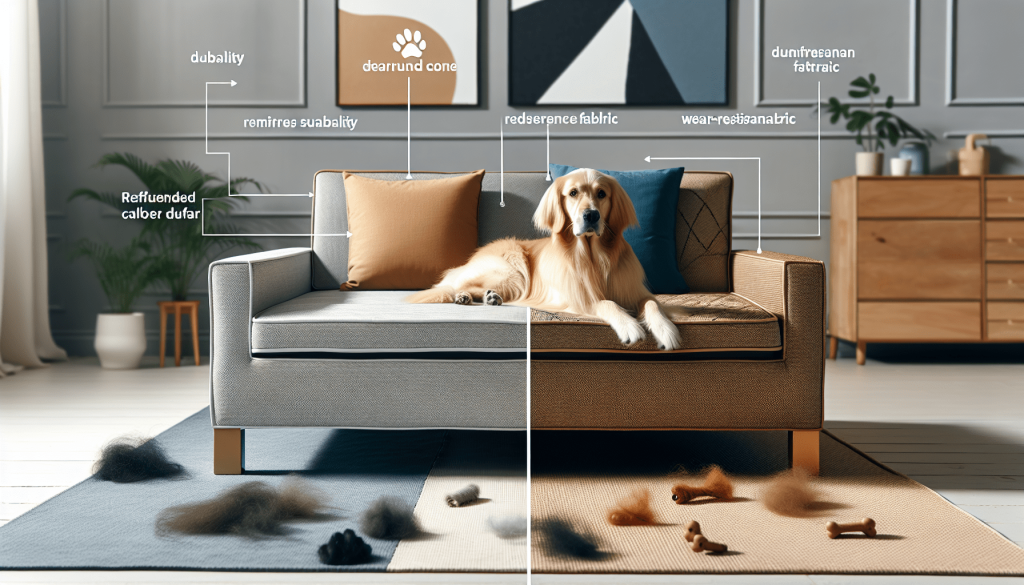
Considering the material and durability of a pet sofa is essential for its longevity and your dog’s comfort. Look for durable materials that are resistant to scratching, chewing, and general wear and tear. It’s recommended to opt for pet-friendly fabrics that are easy to clean and maintain, such as machine-washable covers or stain-resistant materials. Avoid materials that may cause allergies or skin irritations for your dog, ensuring their comfort and overall well-being.
Ease of Cleaning and Maintenance
Pets can sometimes leave behind fur, dirt, or even create the occasional mess on their favorite resting spot. Choosing a pet sofa that is easy to clean and maintain can save you time and effort in the long run. Look for removable, machine-washable covers or sofas that can be easily wiped down with a damp cloth. This will allow you to keep the sofa clean and fresh, ensuring a hygienic and pleasant environment for both you and your dog.
Design and Aesthetics
While functionality and comfort are crucial, the design and aesthetics of a pet sofa also play a significant role. Consider the overall style and design of your home and choose a pet sofa that complements your existing furniture. With a wide range of colors, patterns, and styles available, finding a pet sofa that blends seamlessly with your interior décor is easier than ever. Ensure that the design of the sofa aligns with your personal taste while also considering your dog’s preferences and comfort.

Training and Familiarity
Introduce the Sofa Gradually
Introducing your dog to a new pet sofa requires patience and gradual familiarization. Start by placing the pet sofa in an area where your dog spends a significant amount of time, such as their favorite corner or near their existing bed. Allow your dog to explore the sofa at their own pace, sniffing and inspecting it. You can place some treats or toys on the sofa to create positive associations. Avoid forcing your dog onto the sofa or overwhelming them with the new addition. Gradual exposure will help your dog feel comfortable and at ease with their new resting spot.
Use Positive Reinforcement
Positive reinforcement is an effective training technique when it comes to familiarizing your dog with their pet sofa. Whenever your dog shows interest in the sofa or willingly approaches and settles down on it, reward them with praise and treats. This positive association will help reinforce their behavior and encourage them to view the pet sofa as a desirable and comfortable spot. Be patient and consistent with your rewards, gradually increasing the duration of time your dog spends on the sofa.
Encourage and Reward Good Behavior
Encouraging and rewarding good behavior is essential in training your dog to use the pet sofa. Whenever your dog voluntarily chooses to rest or sleep on the sofa, offer verbal praise and rewards. This positive reinforcement will reinforce their understanding that the pet sofa is their designated spot for relaxation. Keep in mind that consistency is key in training, so ensure you consistently reward and encourage your dog’s desired behavior to reinforce their understanding of the sofa’s purpose.
Monitoring Your Dog’s Response
Observe Initial Reaction
After introducing your dog to the pet sofa, it’s important to observe their initial reaction. Some dogs may immediately take to the new sofa, while others may require more time to adjust. Observe their body language and behavior when approaching or using the sofa. If your dog sniffs, scratches, or shows signs of curiosity and comfort, it’s a positive indication that they are responding well to the new addition. However, if your dog avoids the sofa or displays signs of anxiety or stress, such as panting or pacing, it may be necessary to provide additional training and support.
Look for Signs of Comfort and Relaxation
As your dog becomes more familiar with the pet sofa, pay attention to signs of comfort and relaxation. Dogs that enjoy their sofa will often exhibit behaviors such as stretching out, curling up, or falling asleep peacefully. Look for visual cues like relaxed body postures, closed eyes, and gentle breathing, which are indications that your dog feels safe and comfortable on the sofa. These positive signs show that your training efforts are paying off and that your dog is developing a strong bond with their new resting place.
Notice Any Negative Behaviors or Discomfort
While monitoring your dog’s response to the pet sofa, it’s important to be vigilant for any negative behaviors or signs of discomfort. Some dogs may exhibit behaviors such as scratching, chewing, or excessive panting when they feel uneasy or uncomfortable on the sofa. Pay attention to these signs, as they may indicate that your dog is not finding the sofa to be a suitable resting place. If you notice these behaviors, reassess the training and consider introducing additional measures to address any discomfort or anxiety your dog may be experiencing.

Potential Challenges
Initial Dislike or Rejection
It’s important to acknowledge that not all dogs may immediately take to a new pet sofa. Some dogs may initially dislike or reject the new addition to their space. This can be due to various reasons, such as unfamiliarity, a change in routine, or a preference for their existing bed. If your dog initially dislikes the pet sofa, don’t be discouraged. Continue with the training techniques mentioned earlier, offering rewards and positive reinforcement to gradually change their perception. Remember, patience and consistency go a long way in helping your dog adapt to new experiences.
Chewing or Scratching
Another potential challenge when introducing a pet sofa is the possibility of chewing or scratching. Dogs, especially puppies or those who are experiencing anxiety, may resort to chewing or scratching when they feel stressed or bored. To prevent this behavior, consider using chew toys or providing a designated area for scratching nearby the pet sofa. You can also apply pet-friendly deterrent sprays on the sofa or use protective coverings to discourage chewing or scratching. By addressing these potential challenges proactively, you can protect your pet sofa and promote positive behavior in your dog.
Accidents and Stains
Accidents and stains are a common concern when it comes to pets and furniture. While accidents may happen, it’s important to choose a pet sofa with materials that are easy to clean and maintain. Look for sofas with removable, machine-washable covers or opt for stain-resistant fabrics. In case of accidents, act promptly to clean the affected area using pet-friendly cleaning products. Regularly washing the covers and maintaining cleanliness will help keep your pet sofa fresh and odor-free.
Alternative Options to Consider
Dog Beds
If your dog doesn’t seem to be adapting well to a pet sofa or if you prefer a different option, dog beds can be a great alternative. Dog beds come in various shapes, sizes, and materials, allowing you to choose one that best suits your dog’s needs. They provide a dedicated space for your dog to relax and sleep, offering support and comfort. Just like pet sofas, dog beds also come with orthopedic features for joint and muscle support, making them a popular choice for many pet owners.
Blankets or Cushions
For some dogs, a simple blanket or cushion placed on the floor may be the perfect spot for relaxation. This option is especially suitable for dogs who prefer to stretch out or lie flat on their sides. By providing a soft and cozy surface, blankets or cushions offer a comfortable resting place for your dog without the need for a dedicated piece of furniture. Additionally, they are easily washable and highly portable, allowing you to create a comfortable spot for your dog anywhere in your home.
Dog-Friendly Rugs or Mats
If you want to provide a designated space for your dog while also protecting your existing furniture, dog-friendly rugs or mats are a great option. These can be placed near your furniture or in a specific area where your dog is allowed to relax. Dog-friendly rugs or mats offer a soft and comfortable surface for your dog, while also acting as a barrier between their fur and your furniture. They are often made of durable and easy-to-clean materials, making them a practical choice for pet owners.

Reviews and Recommendations
Seek Advice from Other Dog Owners
When considering a pet sofa for your dog, it can be beneficial to seek advice and recommendations from other dog owners. Reach out to friends, family, or fellow dog owners to gather insights and experiences. They can provide valuable information on the durability, comfort, and overall satisfaction they have had with their pet sofas. Additionally, they may be able to recommend specific brands or models that have worked well for their dogs, helping you make an informed decision.
Consult with Professionals
Consulting with professionals, such as veterinarians or pet trainers, can also provide valuable guidance when selecting a pet sofa. These experts have experience working with dogs of various breeds and can offer insights into the specific needs and preferences of your dog. They can provide advice on the best type of sofa for your dog’s size, age, and health conditions, ensuring you make a well-informed choice. Professionals can also provide tips on training techniques or address any concerns you may have regarding your dog’s adjustment to the sofa.
Testimonials and Customer Reviews
Reading testimonials and customer reviews can be a helpful resource in gauging the satisfaction and quality of a pet sofa. Many online retailers and manufacturers provide customer reviews on their websites, allowing you to learn from the experiences of other pet owners. Pay attention to reviews that highlight specific features, durability, or comfort levels, as these can give you an accurate representation of the product. However, it’s important to consider a variety of reviews to form a well-rounded opinion and make the best decision for your furry friend.
Conclusion
In conclusion, investing in a pet sofa can offer numerous benefits for your dog. From comfort and support to promoting good posture and preventing joint and muscle pain, a pet sofa can significantly enhance your dog’s overall well-being. Before making a purchase, consider important factors such as the size, material, ease of cleaning, and design of the sofa. Train and familiarize your dog with the pet sofa gradually, using positive reinforcement and monitoring their response. Be prepared for potential challenges such as initial dislike or rejection, chewing or scratching, and accidents or stains. If a pet sofa doesn’t suit your dog’s preferences, alternative options such as dog beds, blankets or cushions, and dog-friendly rugs or mats are available. Seek advice from other dog owners, consult with professionals, and read testimonials and customer reviews to make an informed decision. With careful consideration and proper training, a pet sofa can provide your dog with a comfortable and dedicated space to relax and unwind. Happy shopping and may your furry friend enjoy their new resting place!